
About
Child Safe Framework
Rehoboth Christian College
At Rehoboth, our approach to child safety has been developed by the Senior Leadership Team and endorsed by the Board. In developing our Child Safe Framework, we have drawn upon the following sources:
- Royal Commission into Institutional Responses to Child Sexual Abuse
- National Principles for Child Safe Organisations
- Publication of the Commissioner for Children and Young People – Child Safe Organisations WA
- Publication of AISWA – Child Protection Guidelines for Schools
- eSafety Commissioner
Certain sources above were developed under protocols of the Australian Human Rights Commission.

Rehoboth’s Child Safe Framework is comprised of the following five segments:
Commitment Child Safe Practices (Position Statement)
Child Safe Policy Suite
Complaints and Compliments System
Protective Behaviours Curriculum and Staff Training
Pastoral Care Approach
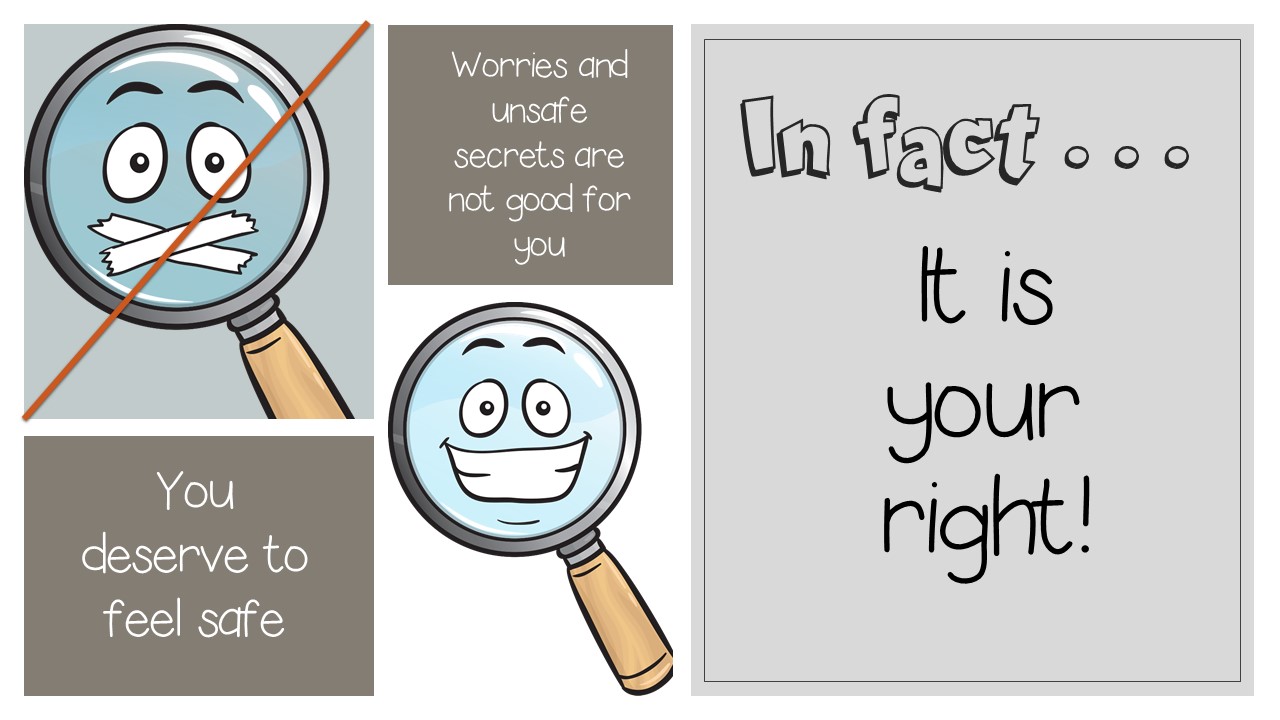
Rehoboth Christian College seeks to provide a learning environment in which all students are protected from harm of any kind and places the highest possible priority upon the safety and nurture of young people.
The College expects all persons and organisations who partner with us – including staff, volunteers, students, visitors, and contractors – to espouse this approach.
The safety and wellbeing of students is central to College planning and decision-making processes.
Because we believe that children are created by God, we understand that they are precious in His sight and loved and valued by Him. From that, it follows that their voice will not be ignored; on the contrary, their expression, whether positive or negative, will be listened to. This is particularly so in any matter affecting their safety and welfare.
Particular attention will be paid to the wellbeing of Aboriginal children, children from culturally and/or linguistically diverse backgrounds, children experiencing family breakdown or in and out of home care, children who may be more vulnerable and susceptible to online harms, as well as the additional requirements to assure the safety of children with a disability.
Child safety is at the forefront of all planning, decision making and activities. Every person involved at the College has a responsibility to understand the important role he or she plays in ensuring the wellbeing and safety of young people.
The College approach has been further informed by the National Principles for Child Safe Organisations. Guided by the National Principles, the College will:
- ensure that child safety is embedded in our governance, leadership, and culture;
- promote respectful interactions with children, including advocacy so that they are well informed and encouraged to participate in decisions affecting them;
- appropriately involve families and our broader community in child safety matters;
- respect and include people from diverse backgrounds, ensuring fair treatment of every student and the families to which they belong;
- undertake robust pre-employment screening to ensure that only suitable people are employed, and equip them to become advocates for the wellbeing of young people;
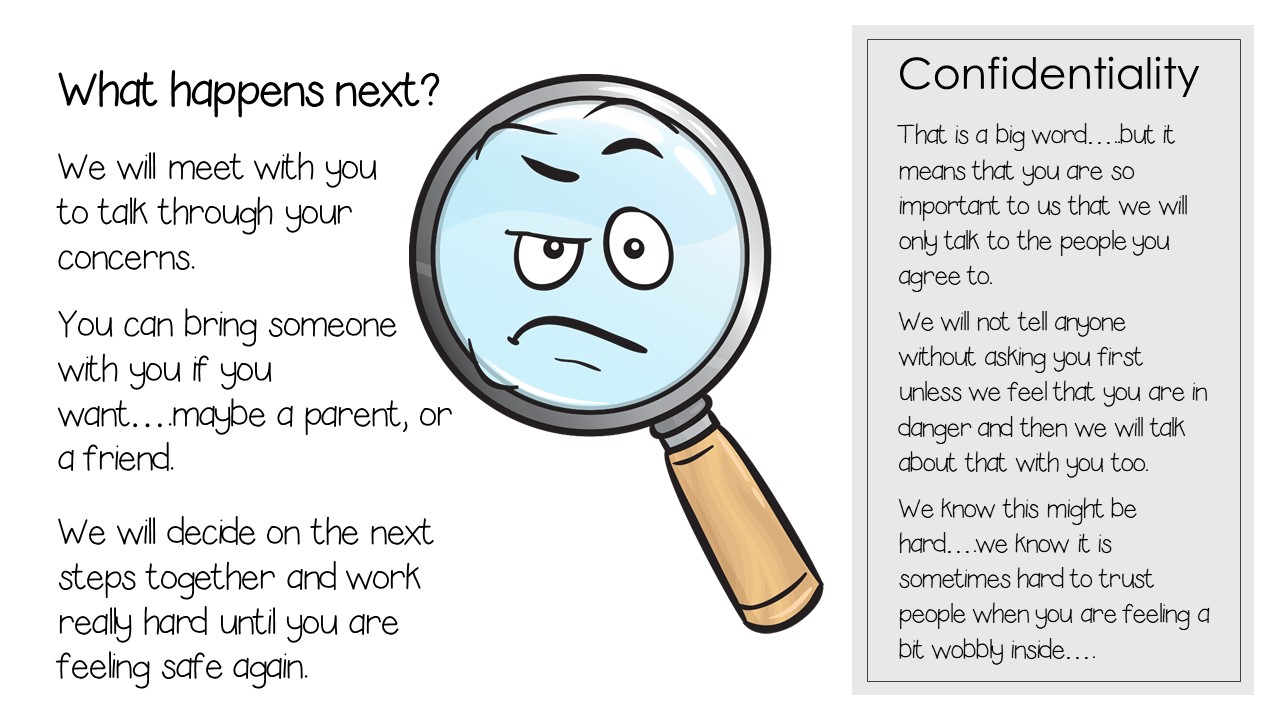
- take a child-focused approach when responding to complaints;
- equip and develop staff and voluntary workers through ongoing education and training in child safe practices;
- be proactive in providing environments that promote safety and minimise opportunities for harm, both physically and in relations to the online activities of students;
- regularly and rigorously review all our procedures to ensure that written policies are being implemented and adjust these when necessary; and
- document and demonstrate the ways in which the College achieves a safe environment for children.
The policies forming part of the Child Safe Framework at the College are:
- Child Safety and Wellbeing Policy
- Bullying and Countering Bullying Policy
- Child Safety (Mandatory and Non-Mandatory Reporting) Policy
- Child Safety (Online Learning Environments) Policy
- Code of Conduct (Staff)
- Code of Conduct (Students)
- Complaints and Grievances (International Students) Policy
- Complaints and Grievances (Parents) Policy
- Complaints and Grievances (Contractors and Public) Policy
- Contractors Policy
- Discipline Policy
- Discipline (Foundational Understandings) Policy
- ICT Usage and Social Media Policy
Rehoboth Christian College is committed to the fair resolution of complaints by those within its scope. The College is also committed to developing an educational and organisational culture based on mutual trust and respect and procedures to resolving issues in a manner that is honouring to our Lord Jesus Christ and His Word.
We acknowledge that students and parents may sometimes have a complaint about a decision, behaviour, act, or omission that they feel is unacceptable. Whilst most issues can be resolved through direct discussion with the parties, there may be instances in which this is not possible.
All formal complaints processes within the College follow the Biblical model outlined in Matthew 18. A link to the complete policy is available from the policy suite above.
In brief, the underlying principles for the management of complaints are:
- any matter arising that contains an allegation or indication that harm has been caused to a child will be escalated under the Child Protection and Mandatory Reporting protocols (these are expected to result in a far quicker response than that achieved for complaints generally);
- complaints will be investigated in a fair and impartial manner;
- resolution directly between the affected parties is preferred, wherever it is appropriate to do so;
- a person facing a complaint is entitled to know detailed information about the substance of the complaint and to have the opportunity to respond;
- procedural fairness is afforded to all parties;
- confidentiality will be observed;
- the complaints management process will be conducted in a manner that is respectful of all parties;
- complaints are monitored and their management evaluated in order to reduce the occurrence of systemic problems;
- in all matters, the education, safety and wellbeing of students is the priority;
- persons making a complaint will not be victimised;
- it is expected that complaints are made in good faith and are not vexations or malicious;
- complaints will be addressed in a timely manner and complainants will be advised if the matter cannot be finalised within one month;
- all persons in the College community, including students, parents, administrators, teachers, and support staff, have a right to be treated with respect and courtesy;
- complaints are to be referred where required to an external authority such as the Department for Community Development or the Western Australian Police Service for advice or immediate action – all referrals of this nature are to be done through the relevant School Principal or the CEO of the Association. The CEO is to be informed of all referrals made to external authorities.
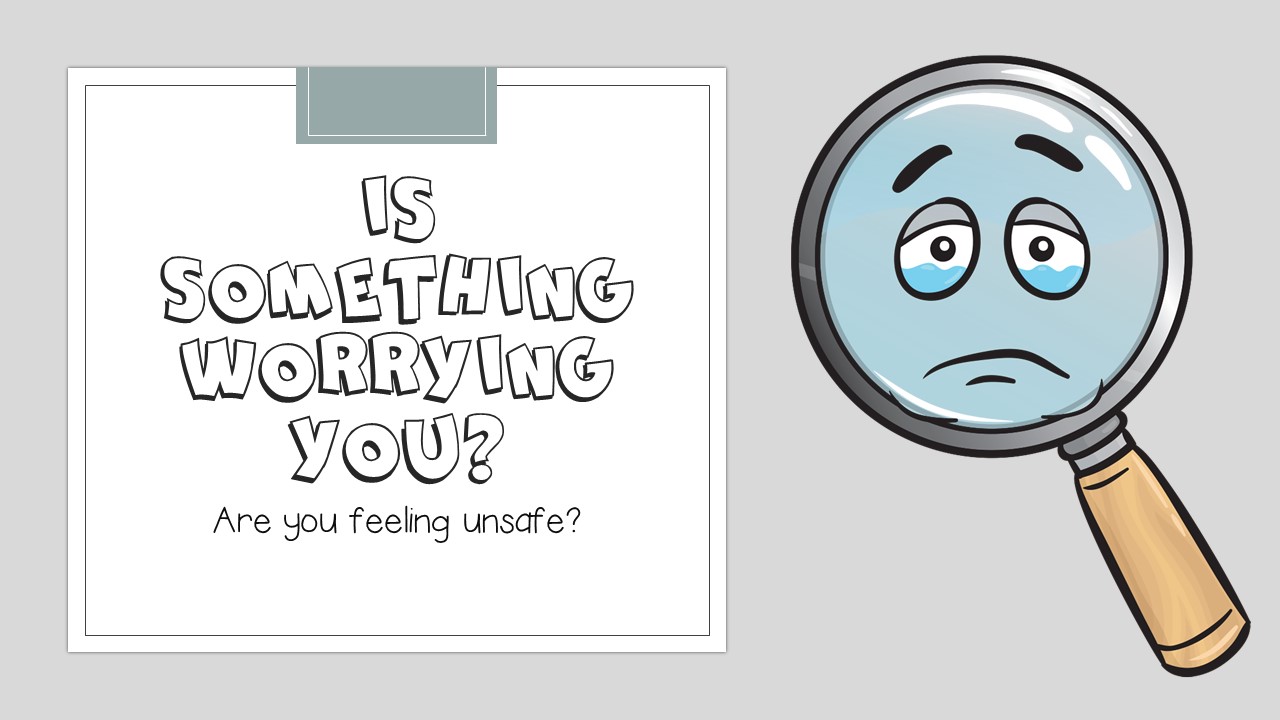
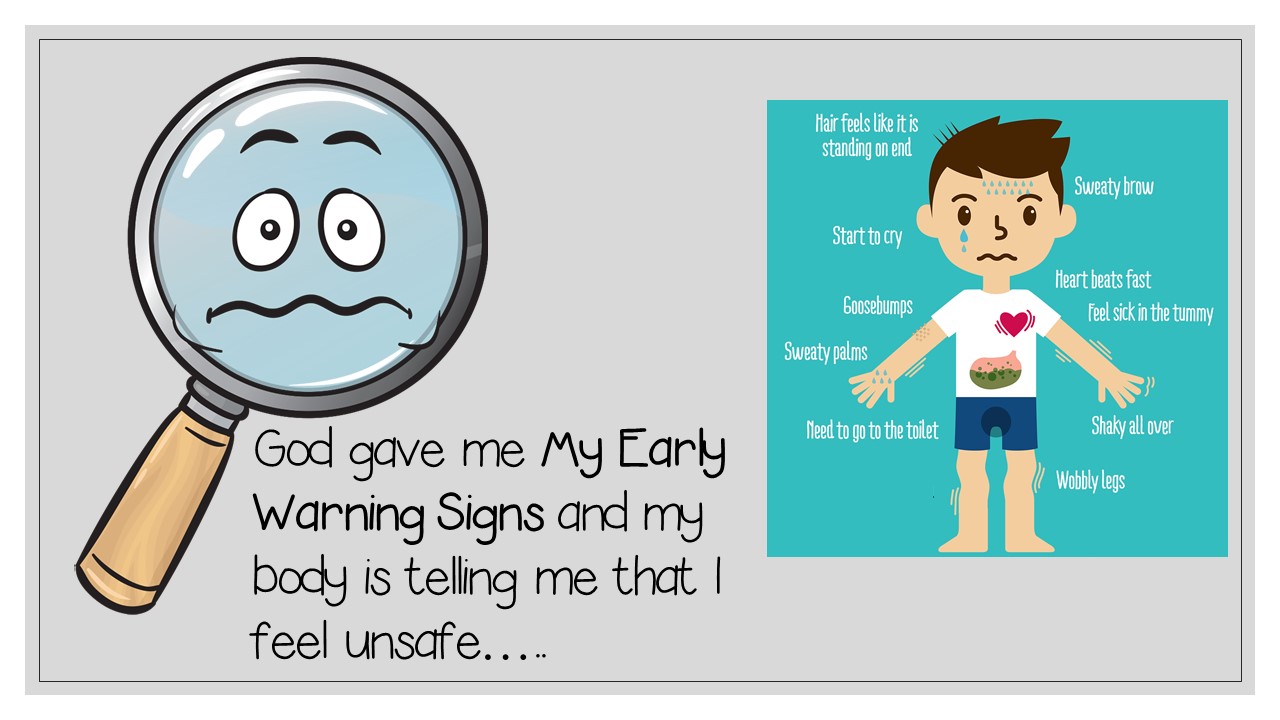
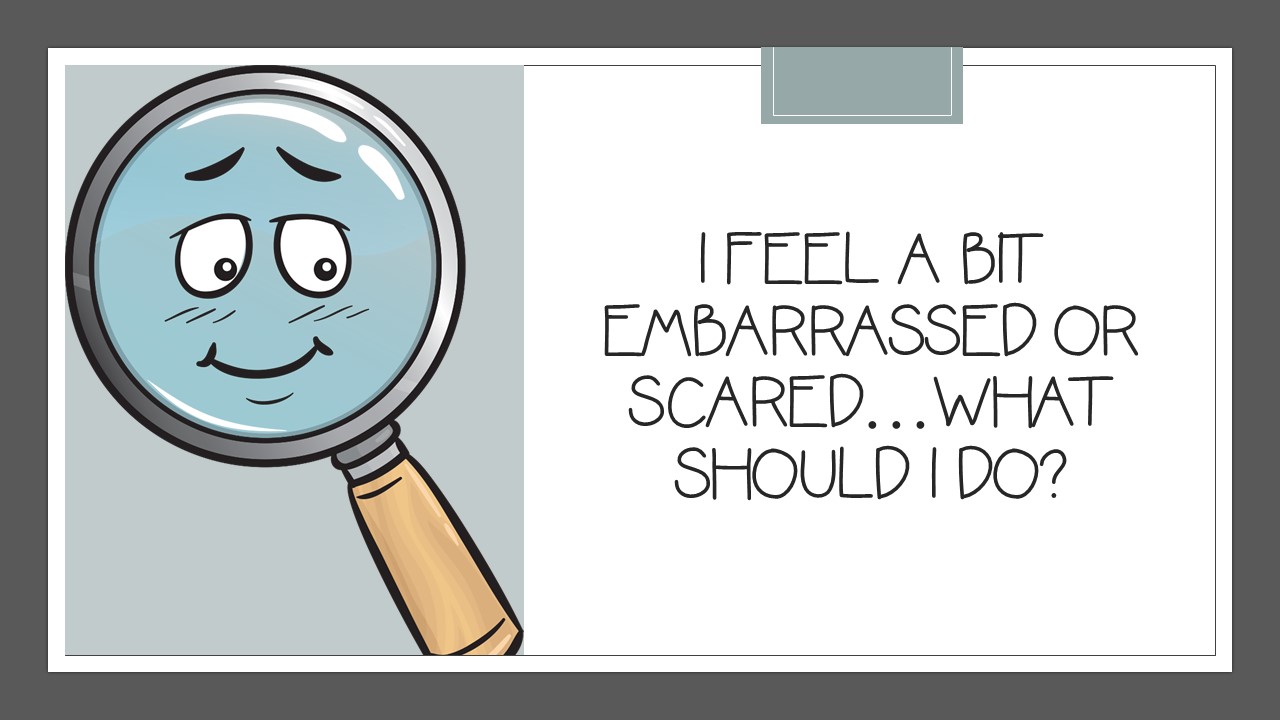
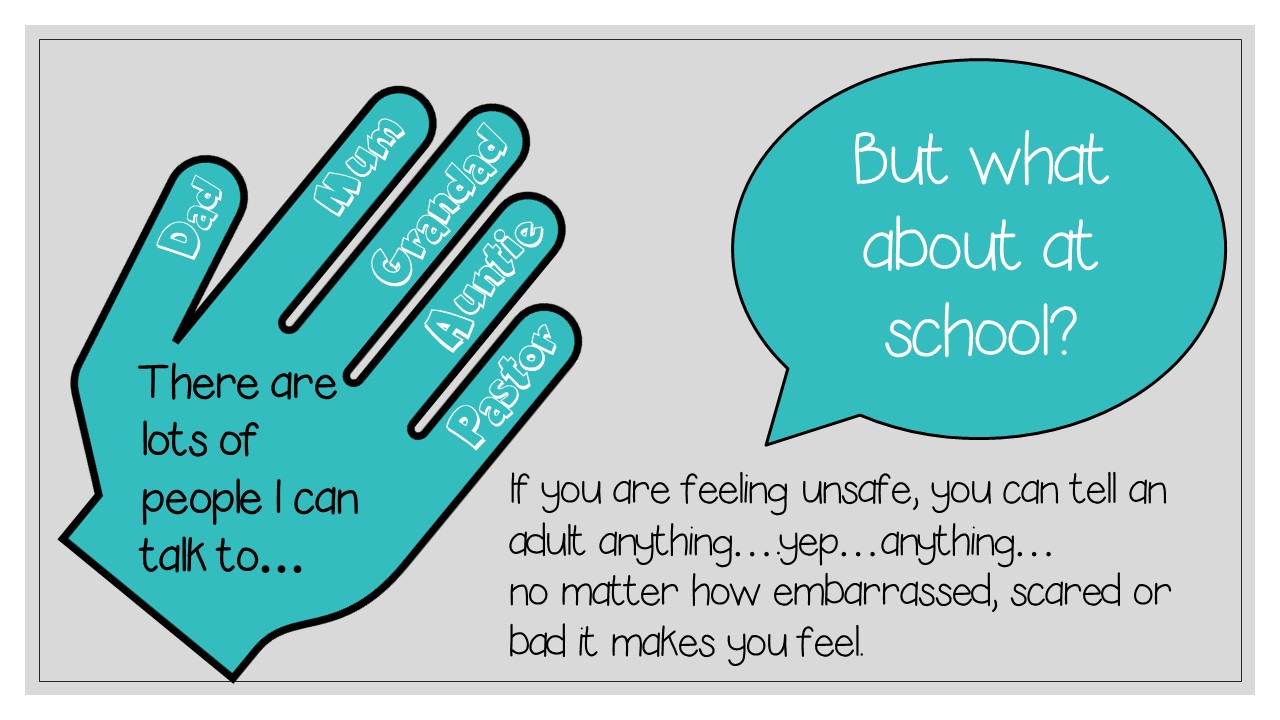
The child-friendly Protective Behaviours curriculum we use is called Holding Hands (edited by Justine O’Malley). It was developed by Protective Behaviours WA in conjunction with the WA Department of Education.
The Holding Hands program is based upon excellent research and is continually reviewed. We realise that parents may have questions about the age appropriateness of this program. Parents are encouraged to contact their Principal for further discussion if required.
We are acutely aware that young people today face a myriad of challenges. These include not only expectations about their academic progress, but also the need to belong within friendship groups, sport teams, churches, families, and other relationships. As a growing school, the leadership and board have given considerable thought to the best ways to ensure that our students are appropriately supported during their time at Rehoboth.
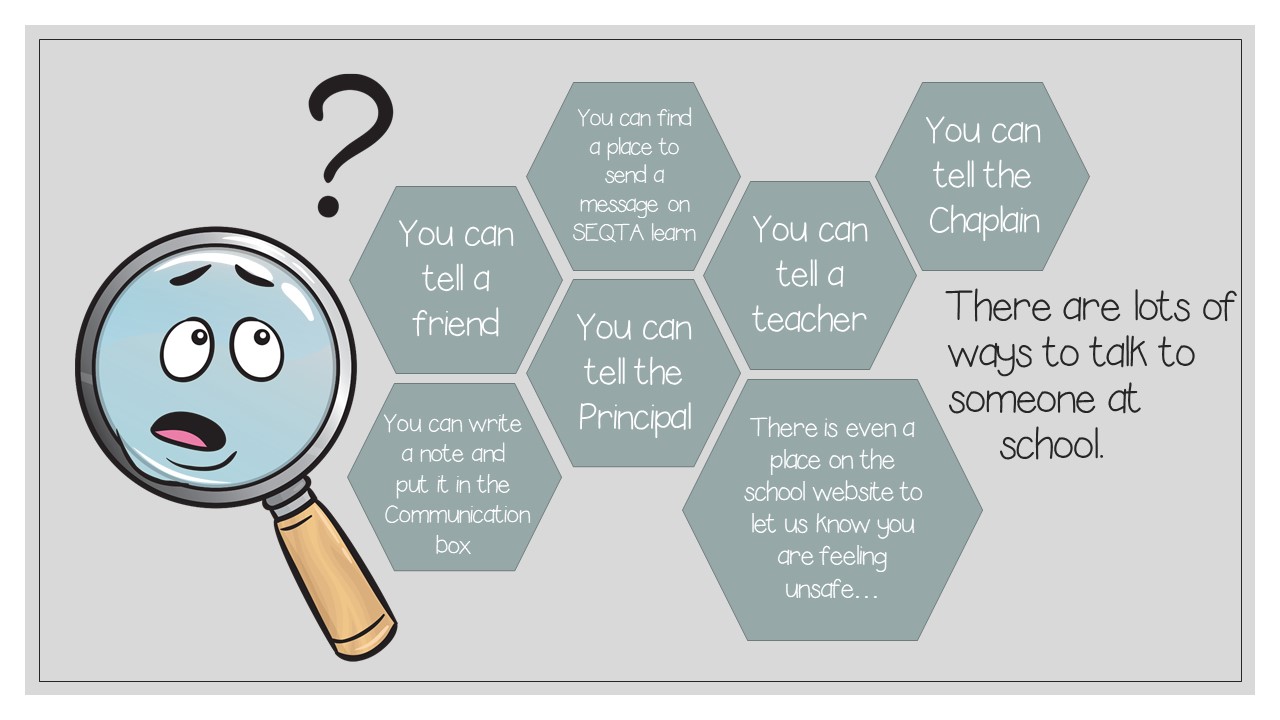
Facilitating communications with students is seen as critical in building a culture in which students can be cared for appropriately. At Rehoboth, we do this in four main ways:
- Students are assigned to Pastoral Care groups. These groups are smaller than class or form groups, allowing for trust relationships to develop between students and teacher, mentor or Chaplain.
- The Consent2Go family communication platform has been in use for some time. This allows quick communication between parents and staff and is often used as a real time communication tool. The platform also allows parents to provide immediate updates about things like medical conditions, treatment providers, allergies, excursion permissions, and other general consents.
- The College uses the SEQTA Learning Management System, which provides a further communication and repository platform. Through this, parents have access to teacher correspondence, assignments, reports, and any pastoral care issues that staff may have raised. This is an invaluable tool in the arsenal of methods that improve care and safety for students.
- The College also employs dedicated Chaplains, one of whom also acts as Child Safety Officer. These team members hold relevant qualifications in social and youth work and are well equipped to provide guidance and mentoring, making referrals to external agencies where appropriate.
The Director General of the Department of Education is responsible for ensuring that the College observes the registration standards, including the standard about our complaints handling system.
Any student, parent, or community member is entitled to contact the Director General with concerns about how the College has dealt with a complaint. Information is available from the Department of Education.
While the Director General may consider whether the College has breached the registration standards, she does not have power to intervene in a complaint or override the school’s decision.
Concerns, Complaints or Compliments
Rehoboth aims to provide a safe and supportive environment for all our students and staff. We welcome your success stories and compliments and take seriously any concerns, questions, or complaints. Please use this form to contact us any time.
Experience Rehoboth Christian College
Enrol My Child
From the moment you call or walk into one of our offices, we aim to make it as straightforward and pleasurable an experience as possible.
Request a Personal Tour
Whether you prefer to send your child to Wilson or Kenwick Primary, we are able to offer consistent educational programs between both campuses.
Get In Touch